What is lymphatic drainage massage and who actually needs it
The short version
Lymphatic drainage massage is a gentle, rhythmic, light-pressure technique that helps move lymph fluid through the body's lymphatic system. It is nothing like a deep tissue massage. There is no oil-deep kneading, no pressure that leaves you sore, no muscle work. Done well, it feels like long, soft, slow strokes that you barely notice while it is happening, then make you feel oddly light afterwards.
It is genuinely useful for some specific situations and overhyped for others. Below is the honest version of who it actually helps and who would be better booking a different treatment.
What the lymphatic system does
Your lymphatic system is a network of vessels, nodes and organs that move a clear fluid called lymph around your body. Three jobs in plain terms:
- Drainage. Lymph collects waste products, excess fluid, bacteria and damaged cells from your tissues and carries them out.
- Immunity. Lymph nodes filter the fluid and house immune cells that respond to infection.
- Fat transport. Specialised lymph vessels in the gut absorb dietary fats and move them into the bloodstream.
Unlike blood, lymph has no pump. It moves because of muscle contraction, breathing and gentle pressure from outside. When the system is sluggish for any reason, fluid can pool and tissue can swell. Lymphatic drainage massage is the "from outside" gentle pressure that helps it move.
Who actually benefits
Post-surgery recovery
This is the most evidence-backed use. After cosmetic surgery (liposuction, tummy tuck, breast surgery), lymphatic drainage helps reduce swelling, ease bruising and shorten recovery time. Most surgeons recommend it from about a week post-op. Always check with your surgeon first.
Post-flight or long-haul travel
Long flights and long car trips mean hours of immobility, which slows lymph flow and pools fluid in the legs and feet. A lymphatic-style massage 24 to 48 hours after landing reduces the puffy-ankle feeling and helps you reset faster.
Chronic mild swelling and water retention
Not the kind that needs a doctor, the kind where rings feel tight, ankles look puffy by evening or skin holds a finger-press dent. A regular lymphatic session helps. If swelling is sudden, severe, on one side only or paired with shortness of breath, see a doctor first, not a spa.
Post-illness recovery
After a viral illness, particularly anything respiratory, lymph nodes work hard for weeks. A gentle drainage session helps the system reset. Not while you are still acutely unwell and not within 7 days of a fever.
Athletic recovery
Particularly endurance athletes (runners, cyclists, triathletes). A lymphatic session 24 to 48 hours after a hard race or training block speeds recovery and reduces the heaviness in the legs. It is a different feel to a deep tissue sports massage. Many athletes alternate the two.
Pregnancy-related fluid retention
In the second and third trimesters, gentle lymphatic work on the legs and arms helps with the swelling that pregnancy hormones cause. Always done by a pregnancy-trained therapist with bolster cushions and side-lying positioning. Our pregnancy massage includes lymphatic technique where useful.
Who it does NOT help
It will not detox you. The liver and kidneys handle that, not the lymphatic system. Marketing language about "flushing toxins" is overstated. What it actually does is help fluid move, which has its own real benefits without needing to invent extra ones.
It will not give you a flatter stomach permanently. Any temporary slimmer feel after a session is fluid redistribution, not fat loss. It returns within a day or two.
It is not appropriate for: active infection, untreated heart failure, deep vein thrombosis (or a history of it without doctor clearance), some cancers (always check with your oncologist) and recent fever or severe inflammation.
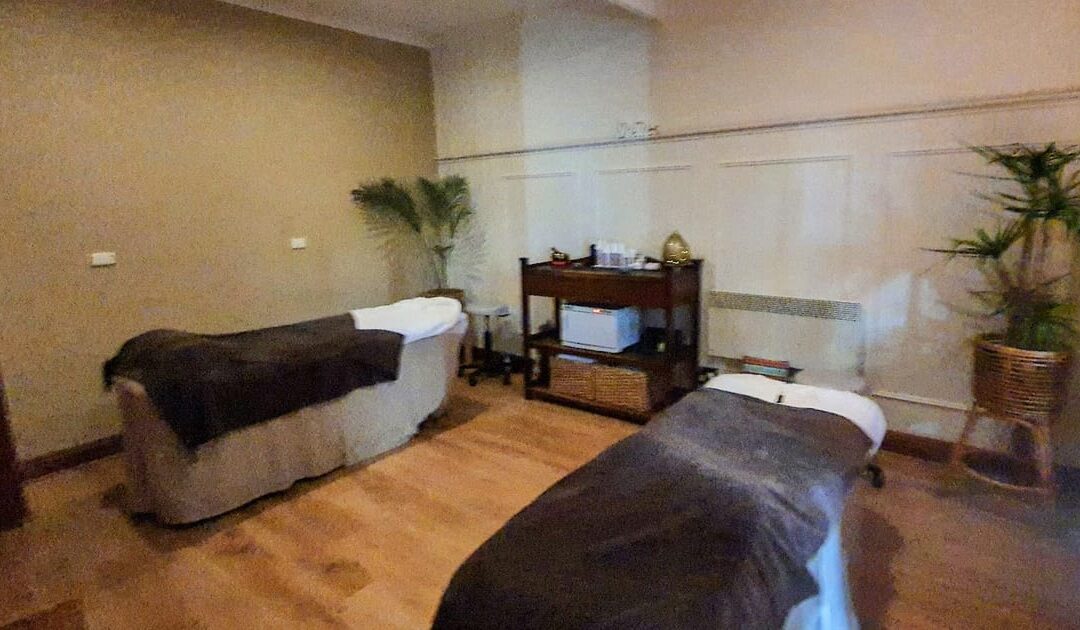
What a session at Swiss Wellness actually looks like
- Short consultation about your goals, any swelling, any surgeries or health conditions
- You lie face-up under a warm sheet. Robes off, underwear stays on if you prefer.
- The therapist starts at the collarbone area and works outward in long slow rhythmic strokes. Pressure is intentionally very light, about the weight of a hand resting on your skin.
- Sequence typically: neck and collarbone, abdomen, arms, legs and feet. Order depends on your priorities.
- Sessions run 60 or 90 minutes. We recommend 90 for first visits to give time to address every area properly.
- You will likely need a longer bathroom break afterwards. Drink water through the rest of the day.
The whole experience is calm. People often fall asleep. There is no soreness afterwards, no bruising, no recovery time.
How to know if it is right for you
It is the right choice if you are recovering from surgery (with surgeon clearance), if your job or life involves long stretches of sitting or flying, if you have mild persistent puffiness in legs or hands or if you are post-viral and just feel slow.
It is the wrong choice if you have specific muscle tension you want released. For that, book a deep tissue / sports massage instead. The two treatments have completely different goals.
If you are unsure which is right, call us on (08) 8373 3699 and we will talk you through it before you book. Our full Adelaide massage menu lists every option.
Frequently Asked Questions
Ready to book?
Talk to a real human about which treatment is right for you or book online in 60 seconds.
Book a Treatment